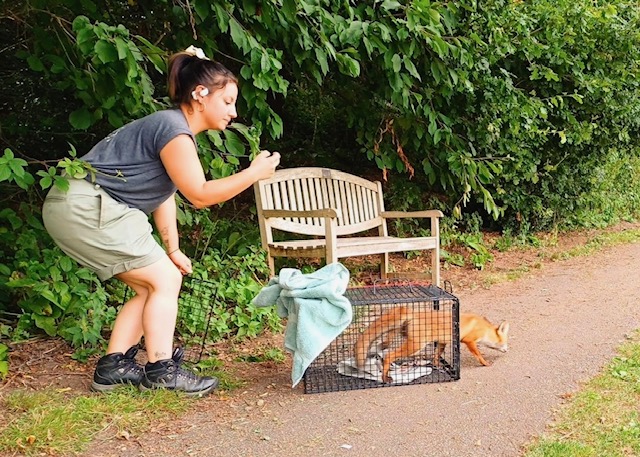
Across London’s boroughs, urban foxes are experiencing increased threats to their existence and charities have urged people to act responsibly.
The Fox Project covers a large part of London’s South East Boroughs, and has cited a growing number of calls for their aid, despite it not being breeding season.
Trevor Williams, The Fox Project Founder, said: “We need to get back to a situation where we care about our environment.
“We don’t just lob stuff into the environment and leave it there.
Williams explained that human carelessness was a common factor effecting foxes’ welfare in the city.
He said: “Things like not tipping up your rubbish, not putting your recycling away properly, leaving jars and tins and bottles with food remaining in them, available to wildlife, which can get its head stuck in them.”
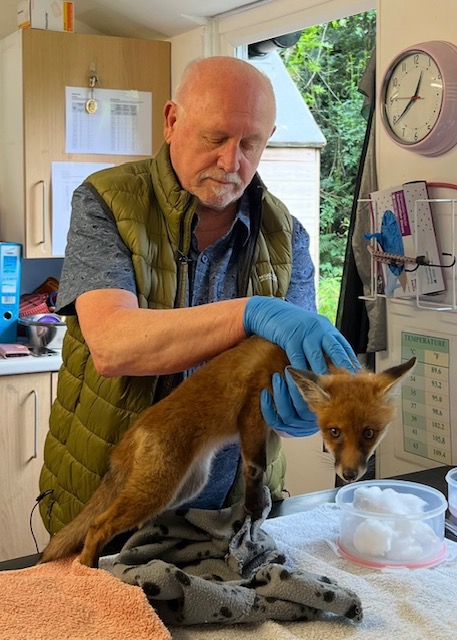
Williams founded the charity 35 years ago, but had no initial intention of it becoming a rescue group.
He said: “It was important because there were no organisations you could go to, to find out about foxes.
“Bearing in mind that they’ve been present in London since the 1940s, and peaking in the 1970s, people have a right to know what the animal actually is.”
The charity deal with around 10 calls to foxes a day in the off-season, most being injured or killed by cars, other pets, or rubbish left lying around.
And, as cub season approaches in March, they are continually raising awareness for one particularly big threat: football nets.
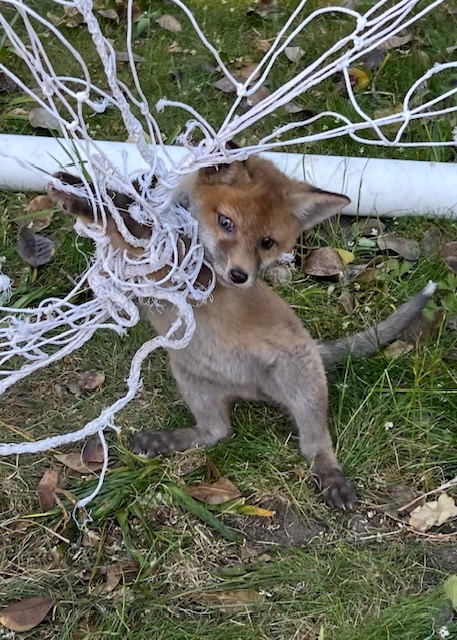
London’s gardens continue to be a real problem for curious young cubs, who can find themselves tangled up inside these nets, often with devastating results.
Speaking of one particularly harrowing case, Nicki Townsend, The Fox Project’s fundraising and media manager and ambulance driver, said: “There was a sports centre and it wasn’t the first time when it happened with them, so it was really disappointing that we had been there previously.
“We had educated them, and they hadn’t cared, and they still left the netting down, and the poor vixen had been there overnight – she chewed her foot off trying to get out.
“I think for me, and her, it was just horrific because even on arrival, I knew that she would have to go to sleep.
“It’s just heart-breaking and it’s just so easily prevented.”
The clip of the rescue can be found below, which contains sensitive content.
The Fox Project runs two systems of rescue – if the fox is immobile then they use large nets, and if immobile then humane traps.
Townsend said: “We always say we’ll be there within the hour.
“But more often than not, we’ve got one of our volunteers that would be 10-15 minutes away.”
While the fox population in London is still facing threats, public attitude towards the animals seems to be steering in the right direction.
Williams said: “If we’ve done anything at all over the years that I really am proud of, it is changing attitudes at council level.
“And that’s gone on to a national level as well, because our information and our research into fox deterrence is now part of deference and advice.
“To this day, we’ve worked for every council in the country.
“Except for the Isle of Mull, and the Isle of Mull doesn’t have any foxes on it.”
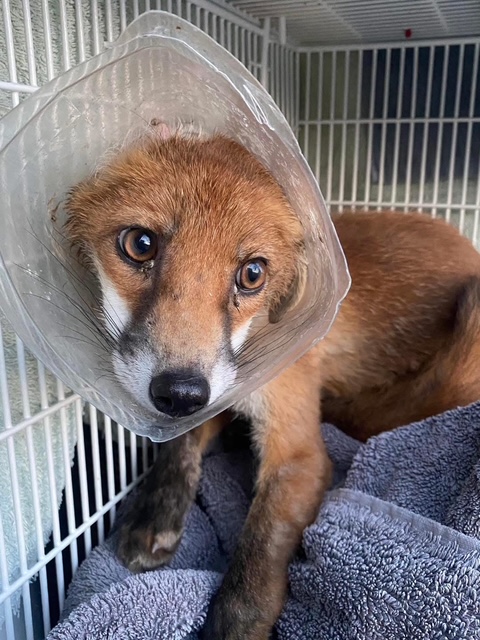
The Fox Project hope that with increased awareness, more foxes will be able to live pain free in urban landscapes like London.
When coming across an injured or unresponsive fox, the advice is always to call a rescue.
Townsend said: “Just stay with that animal, stand back slightly, so they’re not too stressed, and call for advice.
“We always say never to cut an animal free yourself, ever.”
Featured image credit: The Fox Project



Join the discussion