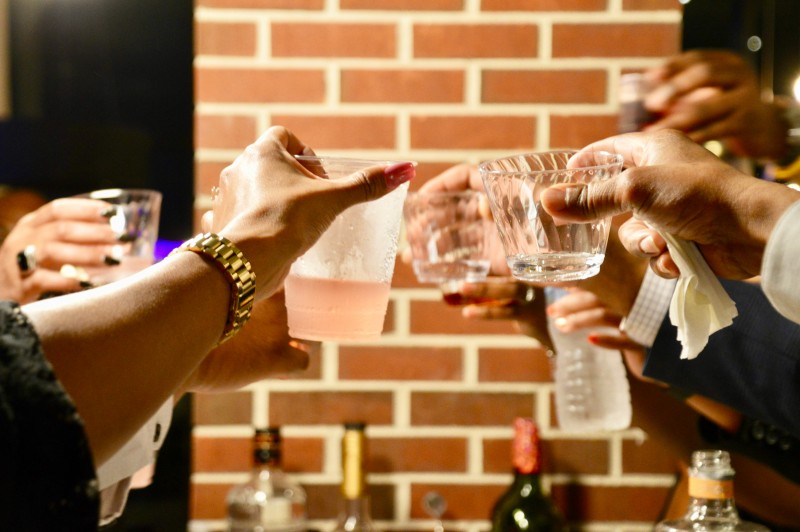
Dry January participation across the UK has nearly doubled in three years as London’s alcohol-free venues enjoy a winter boost.
Almost one in three (32%) Britons plan to complete Dry January in 2026, almost double the 17% who committed to the challenge in 2023.
This surge is mirrored by a growing number of alcohol-free spaces opening across London, but what is less predictable is how these venues are challenging stereotypes to carve out their own place in the capital’s drinking culture.
One such example is Raven Records, a heavy metal record store in Camden, which doubles as a coffee shop and bar and has become one of London’s most prominent alcohol-free spots.
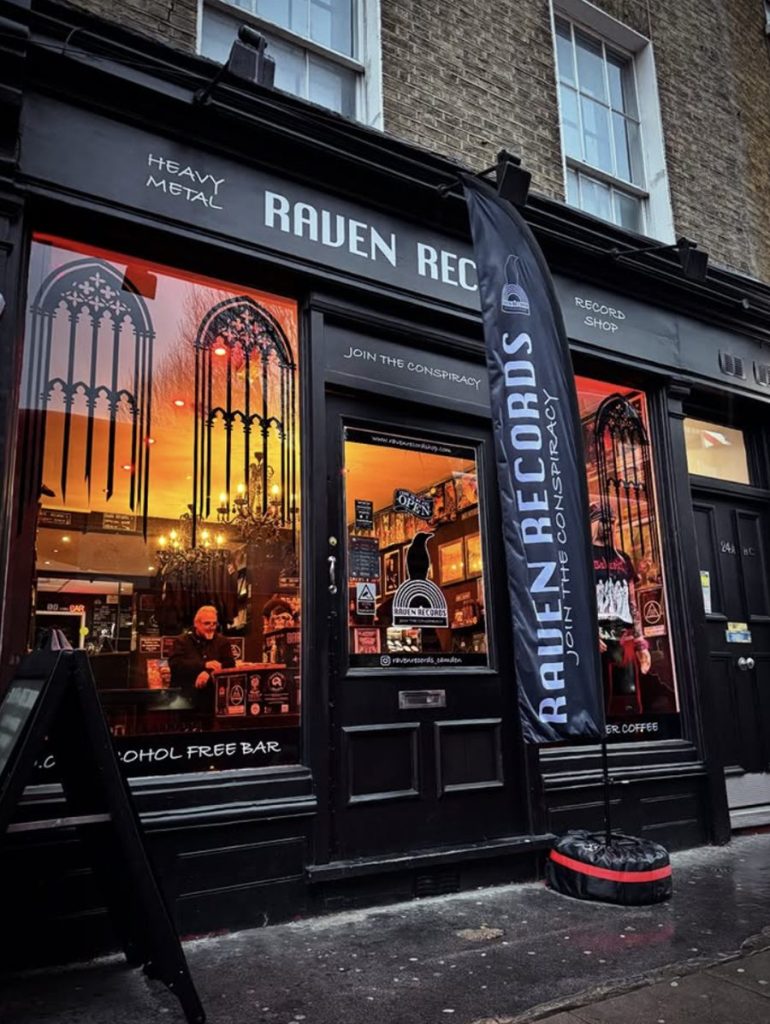
Ben Dean, who co-founded Raven Records with Chloe Marlow, said: “A lot of the alcohol-free places I’d visited were white walled, playing whale music and centred around health and wellness.
“That didn’t fit my aesthetic – I wanted to create an alcohol-free space that was actually alternative.
“Just because I didn’t drink, it didn’t mean I had to let go of who I was as a person, so our venue is painted black, with an inverted cross on the wall.”

Dean, who previously battled alcoholism and now hosts weekly addiction recovery meetings at Raven Records, is committed to creating a sober space which doesn’t feel sober.
He added: “Sometimes people come in and don’t even know it’s alcohol-free.
“That’s exactly what we want: to create the same experience, the same ritual, the same feeling of holding a cold, full pint glass.”
That focus on recovery has also shaped Dean and Marlow’s decision not to stock drinks containing 0.5% alcohol.
Although UK regulations allow drinks under 1.2% to be marketed as low alcohol, Marlow explained even trace amounts can be risky for some customers.
Not everyone in the alcohol-free industry shares this view.
Laura Willoughby MBE, founder of the Club Soda alcohol-free shop and tasting room in Covent Garden, argues the government should formally include 0.5% drinks within the definition of alcohol-free.
She said: “Anything that has flavour has traces of alcohol in it – even fizzy drinks.
“It’s up to the government to keep pace with the growing low and no-alcohol industry, and update descriptors accordingly.”
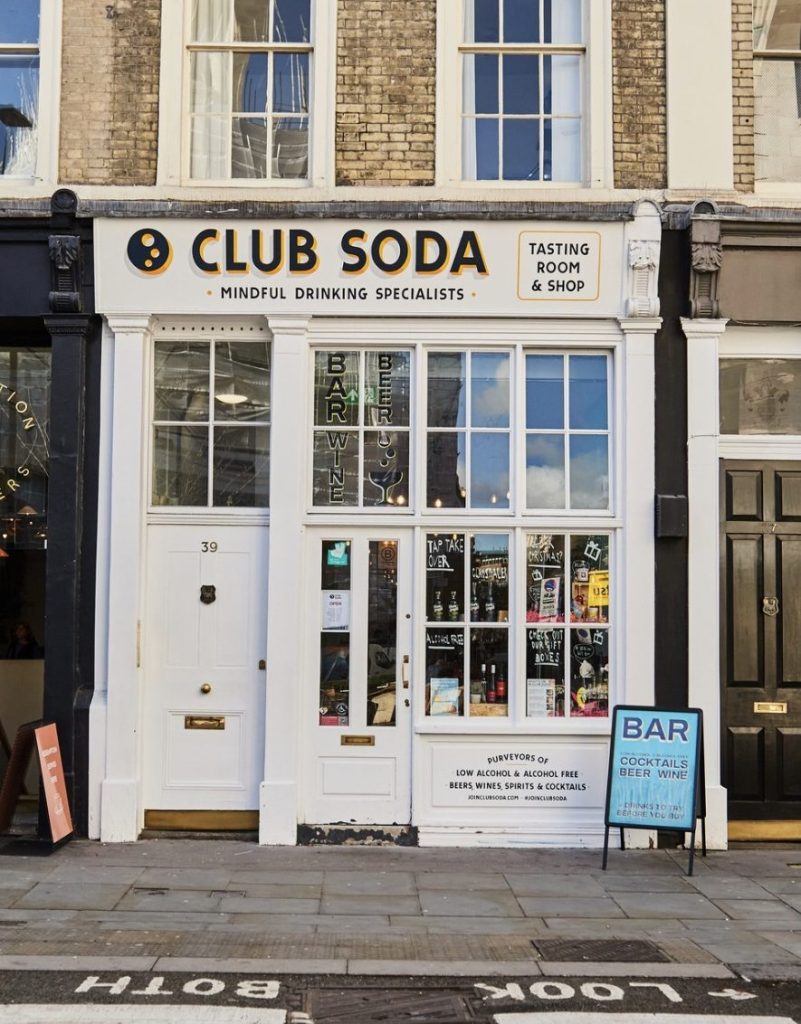
Club Soda’s tasting room is set to close on 25 January, with the business currently seeking a new retail partner.
When asked if alcohol-free venues face the same financial pressures as traditional pubs and bars, Willoughby acknowledged the challenges are significant.
She said: “People don’t drink as much when it’s alcohol-free, and they don’t tend to stay as long.”
Willoughby added a growing consumer focus on novelty and experience over alcohol content may be benefitting dessert cafes and cake shops, alongside alcohol-free venues.
Others point to the rising cost of pints and cocktails as driving customers away from pubs and bars and towards cheaper indulgences, like milkshakes in fast-food chains.
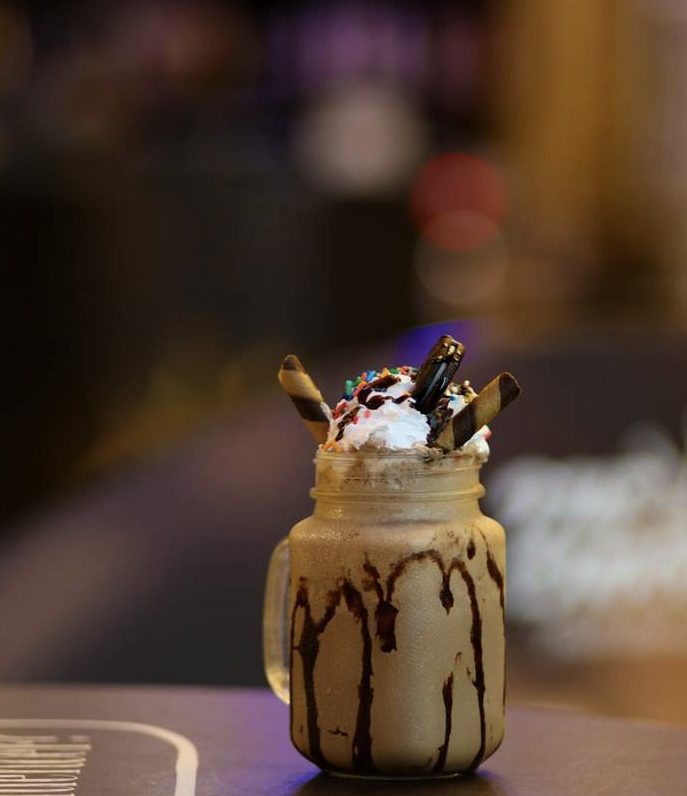
In November’s budget, the government announced plans to extend the soft drinks levy to sugary milk-based drinks, such as milkshakes and flavoured milk, from 2028.
Earlier this month, the World Health Organisation also urged governments to hike taxes on sugary drinks amid a global rise in consumption.
While a direct link between this and declining alcohol intake in the UK has not been established, Generation Z’s move away from alcohol is indisputable, with Drink Aware estimating almost half of young adults now choose low or no-alcohol options.

Despite this, Dry January still carries a reputation for being short-lived, with many people breaking early or returning to alcohol by February.
While businesses like Raven Records and Soda Club naturally benefits from a January sales boost, those behind them insist sobriety is not just a trend.
Dean added: “This isn’t a fad for us – it’s our philosophy.”
Featured image: Free to use from Unsplash/Andra C Taylor Jr




Join the discussion