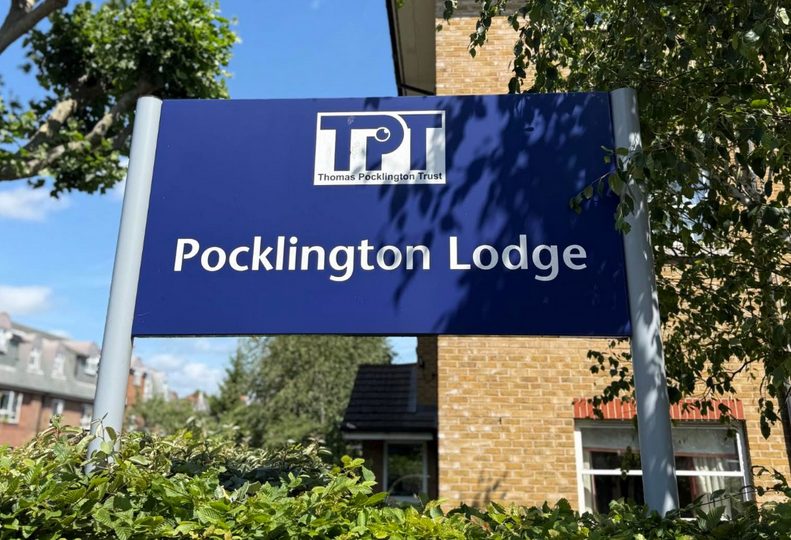
There are still no answers for Pocklington Lodge residents, as the campaign to save their homes continues.
Members of the Pocklington Lodge Tenants’ Association have been advocating to protect their homes for the past 14 months, appealing to the Thomas Pocklington Trust to maintain its ownership over the building.
The west London tenants of the 50-flat block, which has provided accommodation for the visually impaired since 1967, were first informed their homes were up for a potential sale in November 2024.
Thomas Pocklington Trust (TPT), a charitable organisation for the blind and partially sighted, later confirmed in April a sale would be going ahead.
Andrew, chair of the Tenants’ Association and a resident for more than 38 years, said this was despite 48 of the 50 tenants petitioning against the charity commission, stating they did not wish for their building to be sold.
He believes, along with the other tenants, that the implications of a sale are ‘worrying’.
“About a year ago we had a meeting with the chief executive where we expressed our concerns, and we set out what we wanted, which was that we wanted them to remain as landlords,” he said.
One of the main concerns lies in the potential change of functional status. Currently, the flats in the building have been specifically adapted for, and can only be rented by, those with a visual impairment.
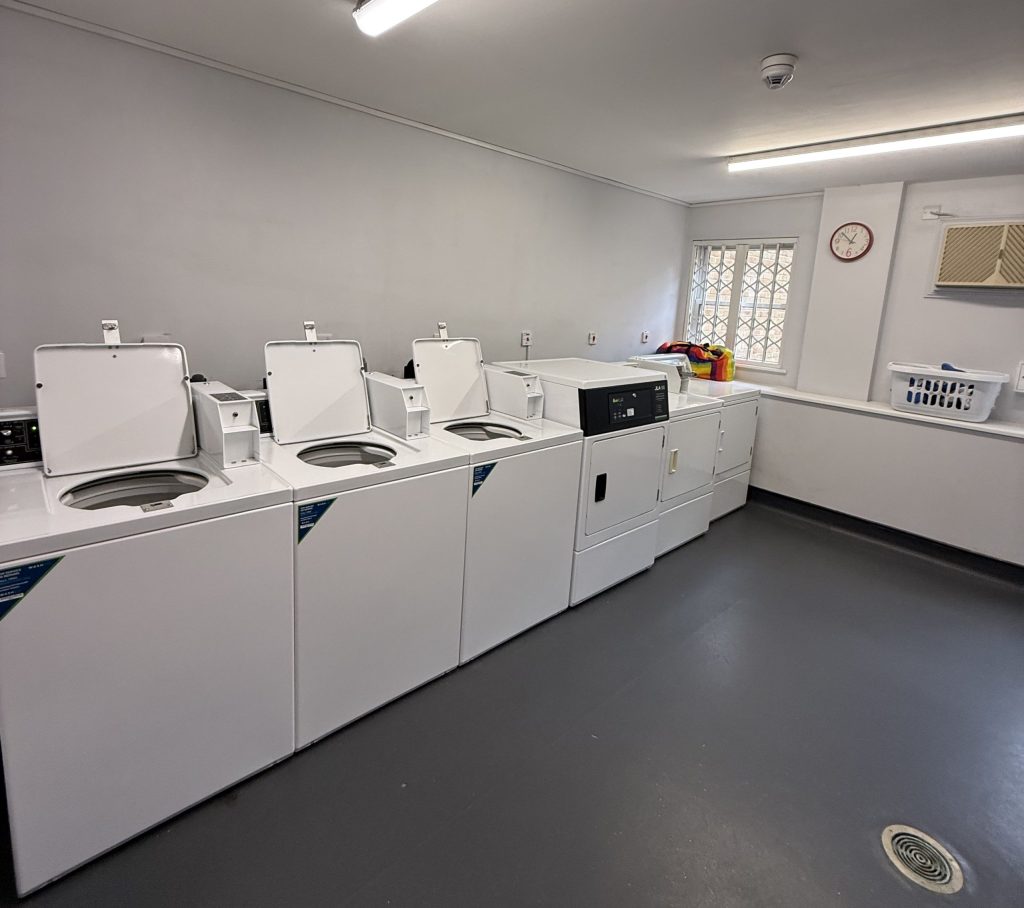
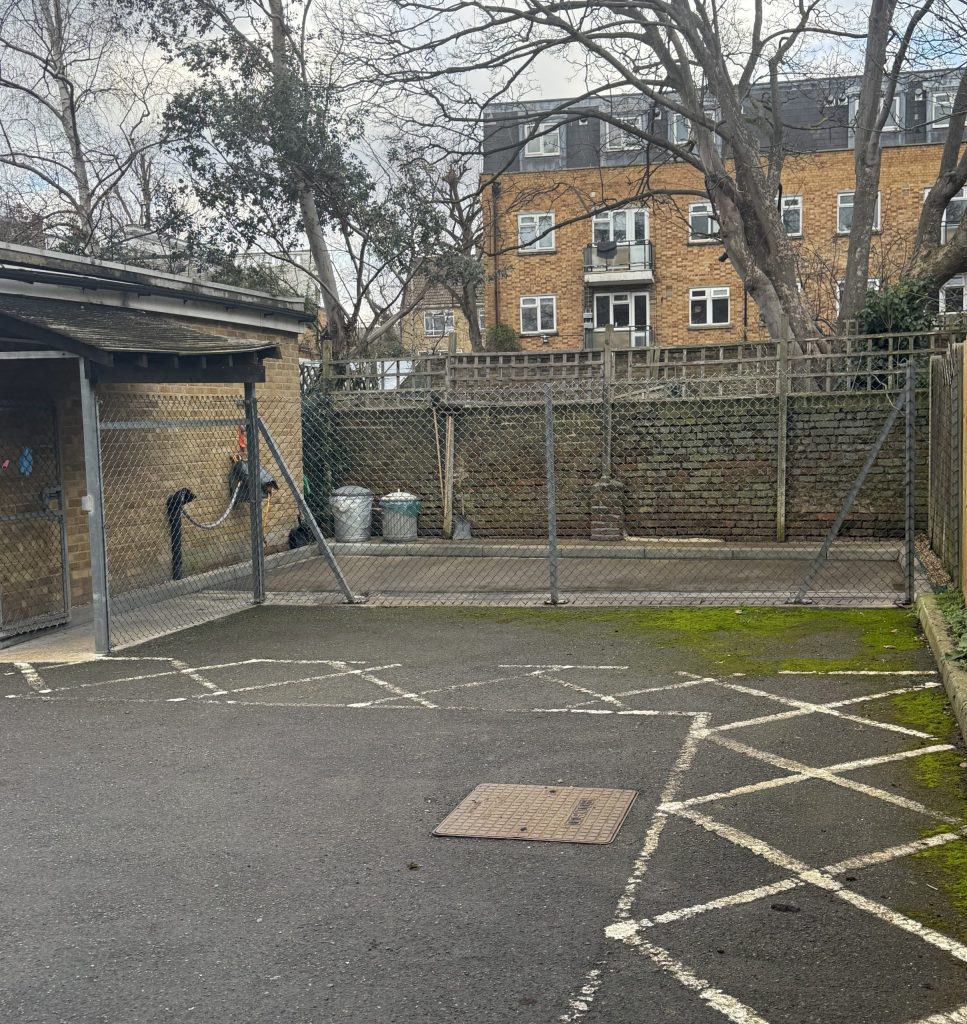
“We’ve got an adaptive laundry room. There’s also an area for the guide dogs to go,” said Jessica, one of Pocklington Lodge’s newest residents.
By changing the status as part of a wider sale, flats can be essentially rented by anyone on the main market, further minimising the already non-existent selection of specialist housing in London.
Residents say the Charity Commission claims they are ‘only in the early stages’ of considering a status removal. Many do not believe that is true.
Since February last year, Andrew said communication with the trust, including chief executive Charles Colquhoun, has been ‘increasingly meaningless’.
“Officially they will keep up at least one communication every month. But recently the update they’ve been providing is that there’s nothing to report,” he said.
The trust also told residents that their flats would be protected regardless of who the building was being sold to.
Yet, the Tenants’ Association questions why a new owner would choose to maintain the current tenants of the block when they would be able to receive higher rents from sighted occupants.
Jessica said: “We haven’t actually got any rent protection or anything in our contracts to say we are entitled to stay here.
“So TPT might say we can stay put [if a sale does go ahead], but we actually have the same rights as the average tenant in terms of eviction notice and rental increase.
“So how could they guarantee that any new owner would honour our tenancies or honour reasonable rents?”
TPT originally began as an endowment by Thomas Pocklington, whose own sight issues inspired him to dedicate his estate to creating specialist accommodation for the visually impaired.
However, following a review in 2014, the trust stated that housing was no longer their priority, signalling their intention to move away from managing properties.
It has now pivoted to provide educational, engagement, and employment opportunities for the partially sighted.
Of the five accommodations it had owned, four others have now been sold, redeveloped, or transferred to other organisations. None provide specialist housing anymore.
“We are the last one left,” said Ben, who has been living at the residential block since 2000.
Although the tenants agree with the new goals laid out by the charity, they believe it would be hard to maintain one of the main goals, employment, without the central London postcode their flats in Shepherds Bush currently provides.
Jessica only moved into the accommodation two years ago after she struggled to find accommodation on the private market with a guide dog. “This was my last resort, I would have had to move back home if I hadn’t managed to find this place.”
Having already spoken to Hammersmith and Fulham’s MP, Andy Slaughter, in August this year, tenants have also discussed the issue with both the leader of the council, Stephen Cowan, and the deputy mayor of London. They told residents that TPT did not give them an appointment.
The Tenants’ Association now say their only hope is public awareness of their campaign. By sharing their story through every channel and avenue possible, they believe they can convince trustees and the Charity Commission to save their homes.
In a statement, a spokesperson from TPT said: “We fully understand that the proposed sale of Pocklington Lodge has caused concern and distress for some tenants.
“Their wellbeing and peace of mind are extremely important to us, and we have met with many residents individually to listen to their views and provide reassurance.
“To be clear no one is being asked to leave their home. We are not selling to a developer, and we are committed to ensuring that existing tenancies are protected through legal agreements with any future owner. This includes safeguarding affordable rents and the right to remain in their homes.”
To view and access the Pocklington Lodge Tenants’ Association petition, click here.
Featured image credit: Pocklington Lodge Tenants’ Association

Join the discussion