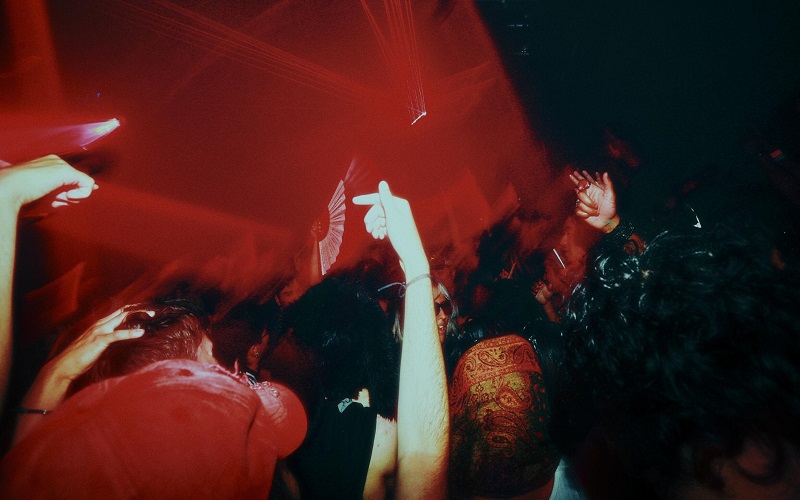
The Barbican has launched a series of five club nights that run until 3am and turn the institution’s brutalist foyer into a dance floor – the first of which happened last Friday.
The series – titled ‘Anyone Can Dance’ – has been launched following two test events that took place late last year, with a hardcore rave in the Barbican’s carpark being their first foray into nightlife.
The launch of these events comes amidst upheavals in London’s nightlife economy, and the announcement that the Barbican will close for a year in 2028 for a £191m redevelopment project.
An anonymous resident of the Barbican said in support of the series: “It’s interesting because they’re validating [clubbing] as a real culture and a form of expression that can be artistically interesting.
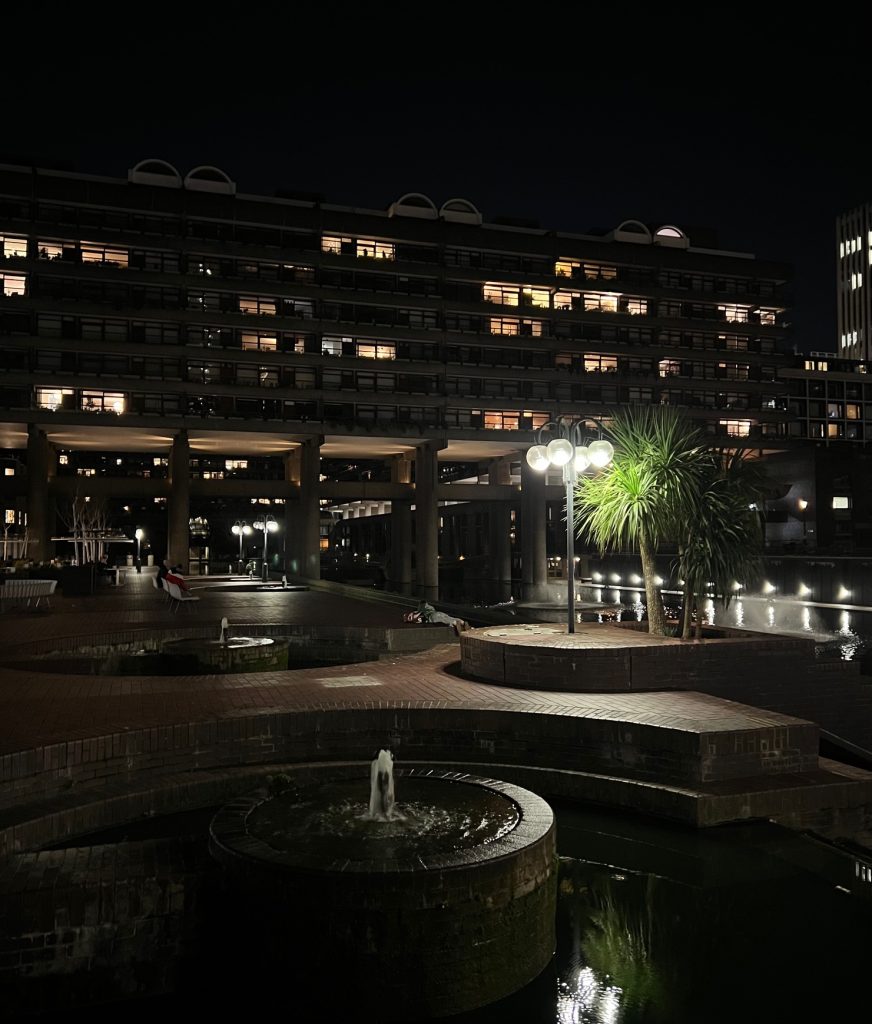
“Going out is an important part of contemporary culture that you don’t really see in museums, or in newspapers.”
A report by the Night Time Industries Association revealed that between 2020 and 2025, a third of night clubs in Britain closed, but new government initiatives hope to get young Londoners partying again.
Angela Rayner has called for a ‘Minister for Nightlife’ to be elected, and Sadiq Khan’s new Nightlife Taskforce aims to ‘acknowledge the cultural, social and heritage value of nightlife’.
New events like the Barbican’s that push nightlife into cultural institutions also attempt to fill this growing void.
However, both this resident and a clubber who attended the first event described the downturn in young clubbers as a cost of living issue as opposed to an issue with the options available.
The Barbican resident stated ‘most nightclubs are prohibitively expensive to my friends’.
Events like these that cost £20 per head may give young people more options to contribute to the nightlife economy without necessarily making them more affordable.
Rag’e Ali, 30, who attended the event last Friday, stated: “Keep in mind that people aren’t in the art world.
“If you’re trying to be part of the London nightlife scene permanently then you should probably try and branch out of the typical audience who go to the Barbican already.”
Regardless of concerns around the cost of clubbing, both Ali and the resident were deeply supportive that the Barbican series specifically champions musicians from less represented diasporas.
Ali stated: “If a place like the Barbican is willing to pick up the slack then I’m all for it.”
A representative of the Barbican told the NW Londoner: “Future nights will see us partner with other collectives who are at the forefront of shaping dance music culture in the UK, and highlight the incredible sounds and artists of different diasporas, sometimes in dialogue with other programming we are presenting around the Barbican Centre.”
Featured image credit: Barbican


Join the discussion