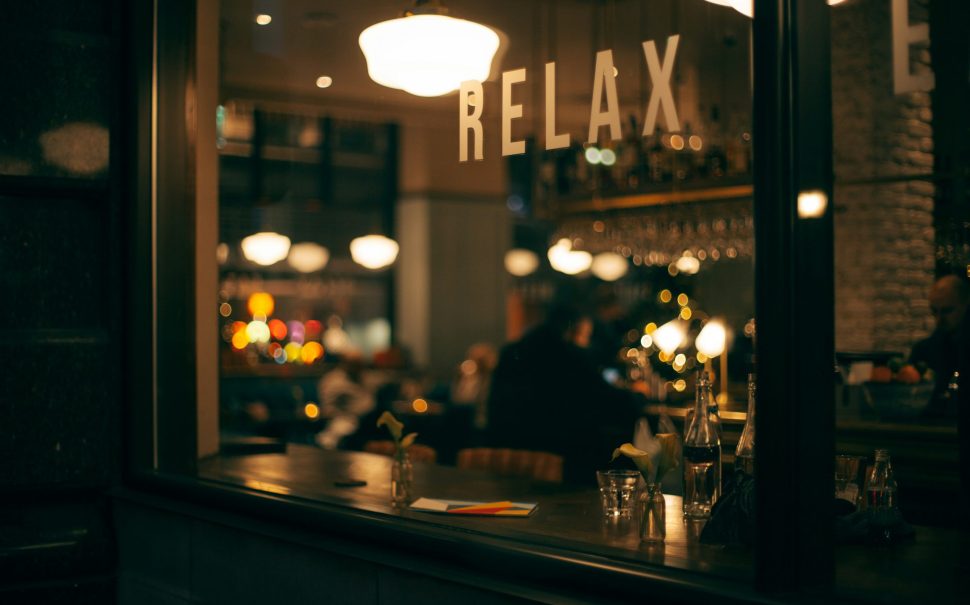
British high streets have seen a remarkable change, with the explosion of coffee shops – independent and franchise alike – providing a necessary daytime social space. But has this change dethroned the pub as the hub of the high street?
It is no secret that many pubs have had the pressure mounted on them in the last few years due to factors such as: rising costs, NIMBY’s (which stands for Not In My Backyard, residents who are opposed to new developments or changes to the local area), business rates and hybrid working.
Gary Timmins, the pub and club campaigns director for the Campaign For Real Ale (CAMRA), said: “Thousands of licensees – many of whom have run successful businesses for years – are now struggling to pull their pubs from the brink of closure, as record numbers of venues are forced to shut their doors.”
According to real estate analysts, Altus Group, 55 pubs in London had closed in 2024, from 3,525 to 3,470.
The Canadian firm used data from the Valuation Office Agency (VOA) Rating List, who record rateable commercial properties.
In addition to this, Altus Group found that 412 pubs in England and Wales had been demolished or converted to another use during 2024.
This is best illustrated in one of Hackney’s most beloved pubs, the Hackney Tap, which was closed down and converted into a Gail’s.
So, why has cafe culture exploded?
Many point to Gen Z’s lack of interest in drinking, when in reality they have been priced out as pubs increase their prices to remain viable.
Cafe’s thus become the new cheaper alternative that provide the same social space.
The average price of a coffee last year in London was £3.73, whereas a pint of beer, on average, costs £6.55.
Data from Meaningful Vision, a data analytics platform specializing in the foodservice and hospitality industry shows cafe owners have also figured out that it would be cheaper to run a cafe.
London is leading with a significantly higher average of cafes and coffee shops, at 2.4 chain stores per 10,000 residents, making the city not only the most saturated market in the country, but in Europe as a whole, behind Dublin and Paris with 3.5 cafes per 10,000.
The popularity in the cafes shows they are not necessarily replacing pubs, but filling a similar social role where there is room for more inclusion.
At the viral cafe, Atom, in Acton, one of the regulars said: “ I just want to be somewhere local where me and my friends can catch up and it’s somewhere where all of us can come.”
Featured image credit: Clem Onojeghuo via Unsplash


Join the discussion