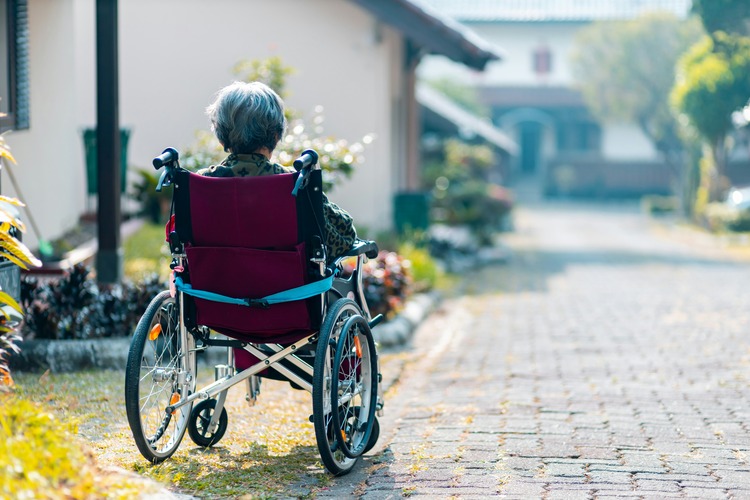
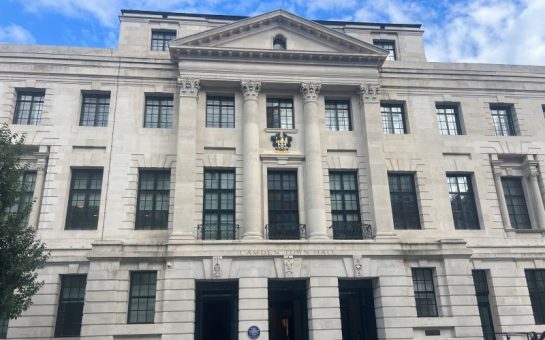
Camden Council is set to order an NHS report on healthcare funding for adult social care, following a request from a carer struggling to access support.
Camden resident Ashok Ali requested the council review funding decisions by the North West London Integrated Care Board after experiencing difficulties securing care for his elderly mother, who suffers from dementia.
Councillor Larraine Revah, Chair of Camden’s Health and Adult Social Care Scrutiny Board, suggested last Tuesday that the Council ask the ICB to provide a report responding to Ali’s concerns.
Among these concerns was that patients previously offered follow-up appointments every six months have now been left waiting up to a year to see a clinician.
Speaking to the council, Executive Director of Adults & Health Jess McGregor noted that Ali’s experiences reflected national challenges of post-diagnostic support being insufficient.
According to Carers UK’s annual report on unpaid carers, almost 40% of carers worry about the quality of healthcare their loved ones receive, and 55% want more support from their council.
Close to one million adults suffer from dementia in the UK, and their care is often left to loved ones who struggle alone, perhaps especially in Camden.
Despite similar diagnosis patterns across the city, Camden residents are more likely to die at home and less likely to die in care homes than others in London, according to data from Camden’s Health and Wellbeing Board.
But Camden’s struggle with dementia support may not reflect the borough’s investment in services and activities.
Doctor Nori Graham, former chairman of Alzheimer’s Society, said: “There is an immense amount going on in Camden in terms of services but [residents] don’t know who to contact. It’s a missing link at the moment.”
Age UK Camden also commented that, while funding remains a significant issue as the demand for dementia services has increased, the charity has worked with community partners and organisations to improve dementia services in the area.
Graham runs a monthly support group for carers in Kentish Town, where participants often come to her with the same concerns about what she called ‘the biggest gap in our country’ – carers are increasingly needed but go unrecognised, leaving them feeling alone as they navigate a healthcare system under too much pressure to offer personalised care.
“It leaves people adrift. I ask the carers who come to my group if they’ve asked their GP about a problem and they say, ‘What’s the point? I see a different GP every time’,” he said.
“You need help as much as possible from people who know you, and know how to make life as good as possible for you.”
While Graham noted that it was difficult to grow her group, relying on doctors’ referrals to carers who can leave the person they care for at home, she remains optimistic about the future of dementia support services.
She added the quality of care homes has improved greatly, and said of the talks she gives in Care UK’s homes: “It’s one of the most rewarding things I’ve ever done. I feel very positive about the work.”
Councillor Revah announced at Tuesday’s Health and Adult Social Care Scrutiny Committee that the report would be requested and discussed at a future meeting.
Camden Council has been contacted for comment.
Featured image credit: Steven HWG via Unsplash
Join the discussion