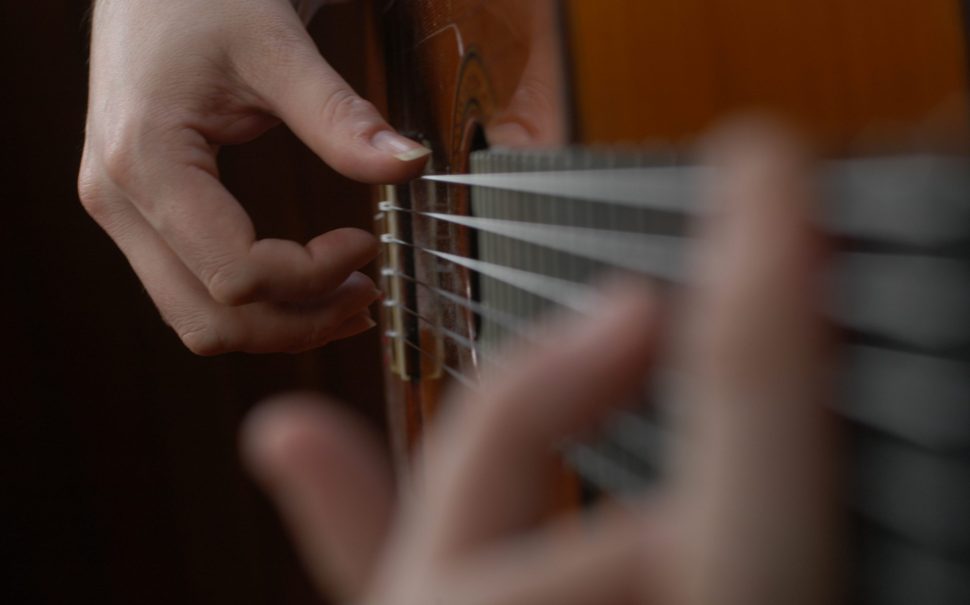
Far from the sun-baked plains and jagged peaks of Andalusia, London seems a far-flung destination for flamenco music.
Even so, the city has cultivated an enthusiastic and committed scene for decades.
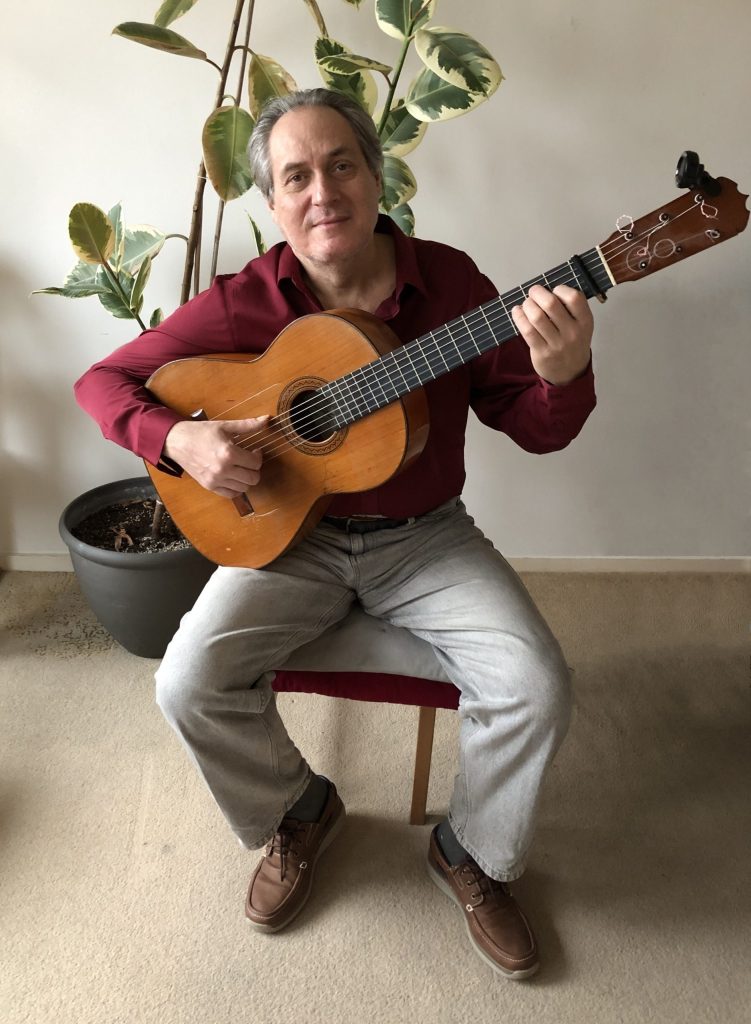
Francisco Antonio Clinton, a Kilburn-based flamenco guitarist, has been playing since childhood and was the first in the world — including Spain — to produce recordings of guitar accompaniments for dance classes, enabling dancers to practise outside the studio.
Working now as a flamenco guitar teacher, he spoke to the North West Londoner about his journey in music, the challenges of a life dedicated to art, and how he maintains passion in his craft after decades.
Growing up with the sound
For Francisco, music was never a sudden calling — it was just a fixture of growing up.
“My dad was already playing when I was born,” he recalls. “I grew up listening to lessons happening in the house.”
Born to a Spanish mother and English father, his introduction to flamenco guitar came surprisingly from his English half.
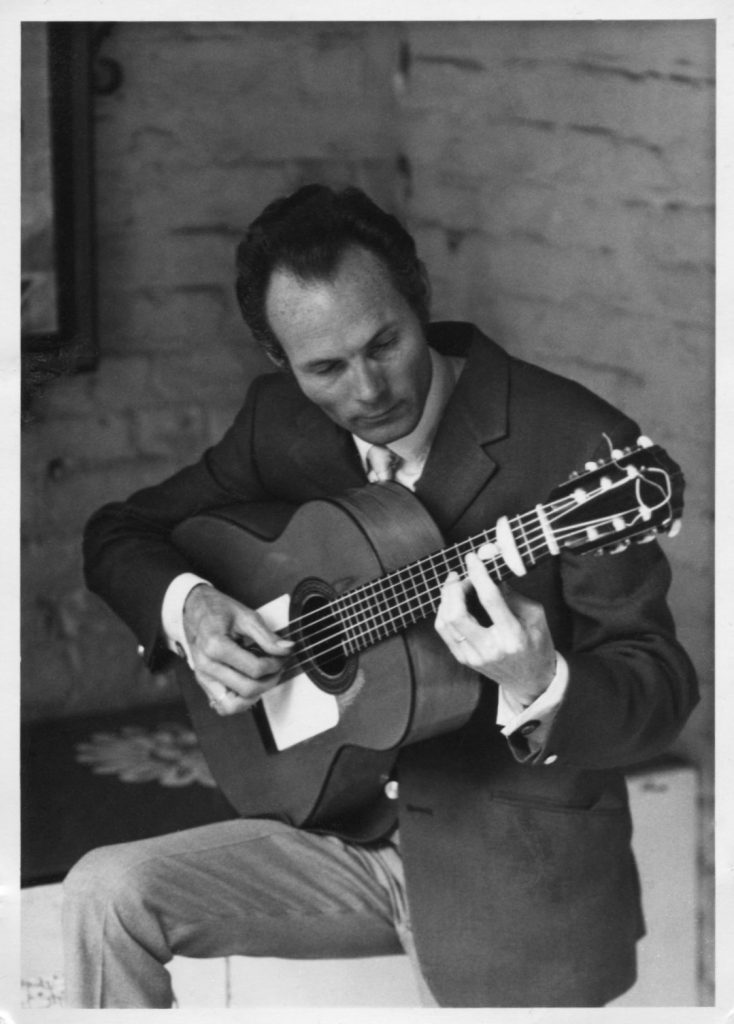
A semi-professional guitarist, his father Tony taught guitar and accompanied dance classes in the evenings after he finished his day job. Francisco would often tag along, absorbing everything.
The love of music in his family was not only limited to his father: his uncle George founded Guitar Magazine in 1972. The publication spanned two decades and featured iconic flamenco guitarist Paco de Lucía among the renowned players showcased on its cover.
As a child, his older sister, gifted with a sharp ear, would eavesdrop on her father’s lessons and reproduce whole pieces moments later. She was the one who first placed a guitar in his hand — teaching him a simple passage they could surprise their father with when he returned from work.
Four years later, at 12, he began lessons properly. Even then, there was no sense of destiny.
The record that changed everything
His turning point came not through discipline, but curiosity.
Searching through his father’s records for a piece that was stuck in his head, he rediscovered Entre Dos Aguas — the opening track on Paco de Lucía’s Fuente y Caudal.
“It starts with bass guitar. It was very different,” he says. “That’s the one that stuck.”
It was this piece that reshaped his relationship with flamenco. No longer just a musical inheritance, he began to take ownership of the art form for himself. As he began to teach himself passages from the record, he found himself delving deeper into flamenco.
“That got me hooked,” he says.
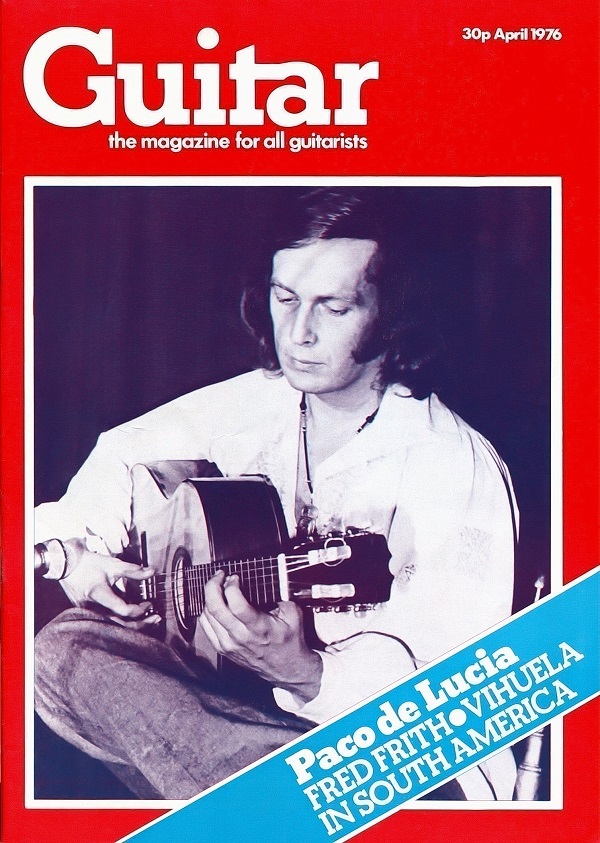
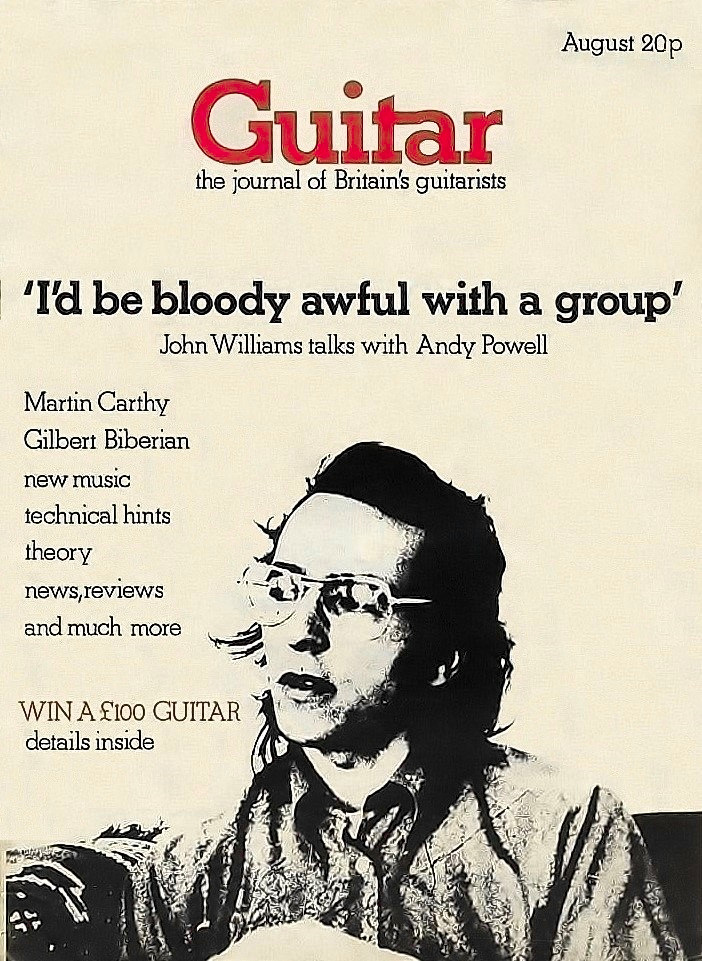
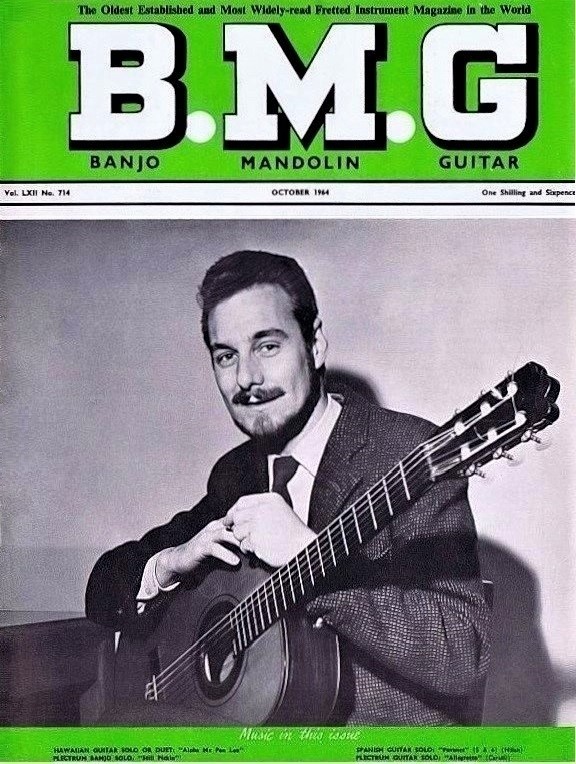
Left to right: Paco de Lucía on the cover of Guitar Magazine, John Williams on a 1972 edition, and Francisco’s uncle George on the cover of BMG
When passion becomes profession
As years went by, he continued to develop as a guitarist, taking lessons from his father and spending hours practicing alone. At 15, he began playing gigs at the Chandos pub on Saint Martin’s Lane after mustering the courage to ask a flamenco act if he could perform a song.
When he joined the workforce as an adult, his yearning to explore music never left him. After 3 years of working at Imperial College, he took a chance, and enrolled at a music school in the Netherlands, where the first flamenco conservatory in the world had just been started.
Over time, what began as a hobby became commitment. When he returned from the Netherlands, he started performing more regularly, gradually building a career within a small but steady network of dancers and events.
But turning art into income brought complications.
“People often like it less once it’s a job. I’ve been conscious of that. I treat it as something I like doing first and foremost, from pleasure alone, then make that work,” he says.
The tension is familiar to many artists: repetition can dull spontaneity; financial pressure can intrude on creativity. For flamenco guitarists in particular, much of the work involves accompaniment rather than solo performance.
To safeguard your passion for the music you teach, he says, you must make a concerted effort. Outside of teaching, it’s essential to continue to listen, practice privately, and explore material beyond what the week’s classes demand.
A sound beyond language
Despite decades of performing, he describes himself as naturally introverted.
“I’ve always been quite shy,” he says. “I still am to some extent.”
Being a flamenco guitarist, he says, hasn’t changed that. Rather, the guitar creates a kind of focus that makes the experience manageable.
“With the guitar, you’re sort of hiding behind something,” he says. “But at the same time it allows you to produce things you want to express.”
Flamenco is incredibly communicative—but not through words. Francisco finds that allowing himself to become immersed in the music helps the nerves to fade away.
“Once you start playing and you feel something coming out,” he says, “you’re just building on that. It’s your expression and you can’t do it any other way.”
Despite the distance from Andalusia, Francisco has carved out a life in London shaped by the rhythms he grew up with. What keeps him going is the same feeling that grabbed his attention as a child: the feeling that, through the guitar, he can express something that exists nowhere else.
Francisco’s teaching website can be found here and his YouTube channel is called EstiloFlamenco.
All images courtesy of Francisco Clinton

Join the discussion