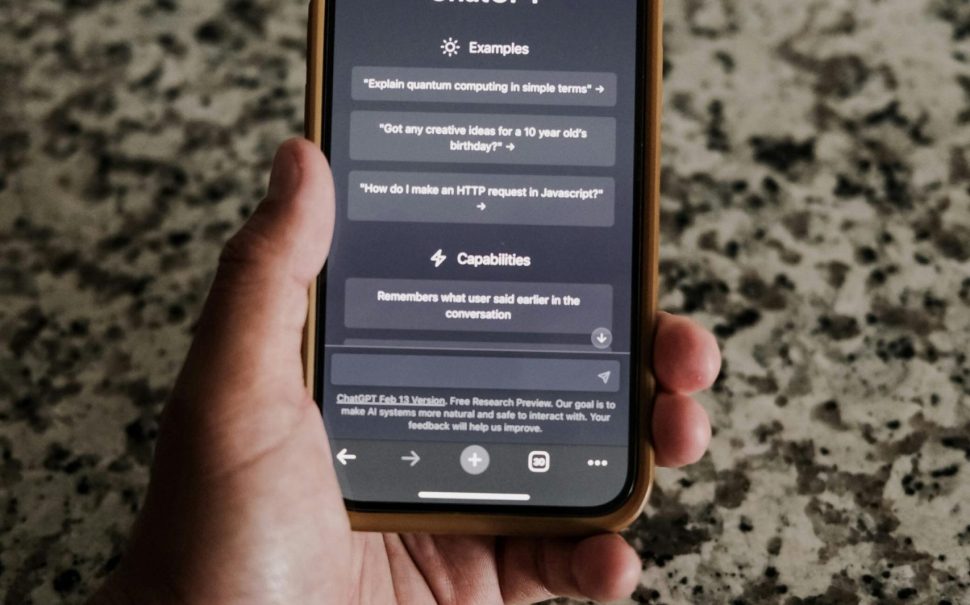
Despite warnings from the NHS, three in five British people are now self-diagnosing health issues with AI, a study has shown.
Research from Confused.com found that just under a quarter (24%) of people in the UK feel more comfortable using AI than attending a face-to-face appointment.
As AI becomes an increasingly prevalent part of daily life, the NHS has warned against relying on the advice of chatbots due to their potential to provide inaccurate advice.
What health-related queries are people in the UK turning to AI for?
People are using AI for a wide range of health-related queries, from questions about symptoms to inquiries about treatment options and mental health support.
Among those surveyed, more than a third (35%) of people aged 65 and over reported using AI for health queries, rising sharply to 85% among those aged 18–24.
Does an AI diagnosis actually help improve a health condition?
The majority of respondents said AI had a positive influence on their health, with 11% reporting that it helped “a great deal” and a further 41% saying it had helped “somewhat”.
Meanwhile, 9% of those surveyed said that AI didn’t help them at all.
What are the advantages of using AI for self-diagnosis?
The benefits offered by AI for self-diagnosis largely centre on speed and convenience. Respondents said they used AI to avoid appointment waiting times, bypass in-person consultations, and seek alternative advice, while also reducing the cost of medical care.
As part of the study, Confused.com spoke to two adults for more detailed insight — one who suffers from plantar fasciitis and another who used AI to help diagnose eczema.
Michael Taylor, 28, from Manchester, said: “I think AI works well as an initial point of reference if you’re unsure about symptoms, especially when they’re visible (i.e. skin).
“It can help narrow down potential causes and avoid the spiral of worst-case scenarios that often comes from Googling. AI for medical assistance is helpful when checking initial symptoms and possible causes.”
Eirini Theodoridou, 32, from Leeds, added: “Using AI wasn’t a replacement for seeing a doctor, but it did make the process more efficient.
“I was able to get a structured plan for my rehabilitation much quicker, which helped me stay consistent in managing the condition.”
With AI fast becoming a fixture of daily life in Britain, its benefits are accompanied by new challenges.
Commenting on the findings, Tom Vaughan, a life insurance expert at Confused.com said: “While AI can be useful for initial research and gaining an understanding of a condition, it’s clear that for ultimate peace of mind people should consult a GP or pharmacist.
“GPs and other medical professionals are the only people who can accurately diagnose conditions, some of which may worsen or become long-term illnesses without the proper treatment.”
Featured image credit: Airam Dato-on via Pexels



Join the discussion