With twenty million people in the UK wearing sleep tracking wearables daily, it seems logical that better sleep tracking would translate into a better night’s sleep.
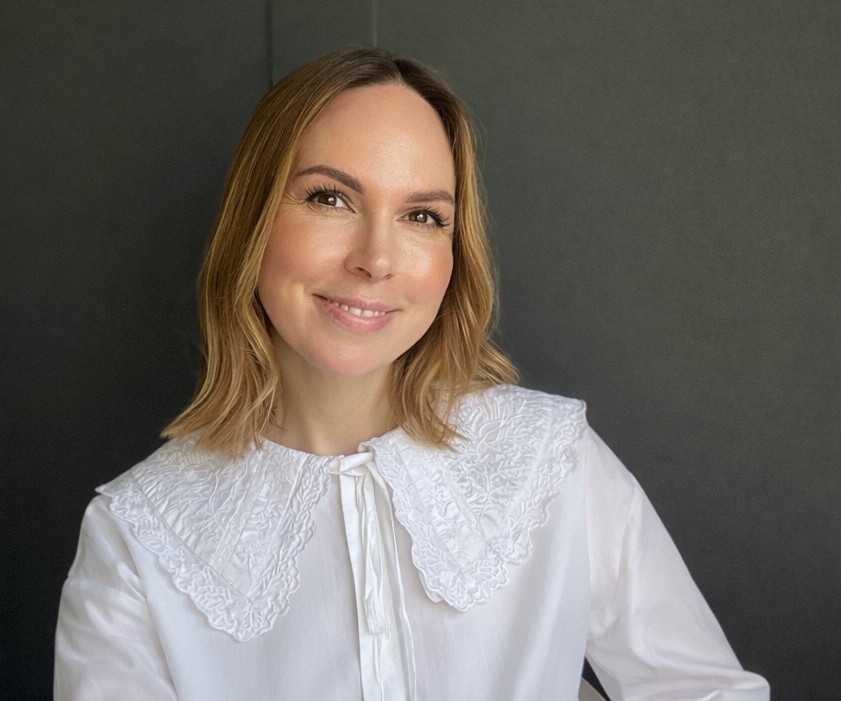
According to Dr. Zoe Gotts, a Clinical Psychologist and Behavioural Sleep Medicine Specialist at the London Sleep Centre, the reality is slightly more complicated.
What makes a good night’s sleep?
When it comes to consistent, high-quality sleep, a number of factors are at play.
Keeping a regular bedtime is beneficial, but waking at the same time daily is more important.
“A lot of people assume that going to bed earlier will help, but it can actually make things worse. What matters is making sure you’re tired enough when you go to bed, and then anchoring your wake‑up time,” Gotts said.
Combining a regular wake-up time with regular exercise, sunlight and a cool bedroom temperature sets the right conditions for sleep, but managing mental health is also key.
“People are walking around chronically stressed, anxious, [and with] mood issues, and are not managing that and not getting support for that, then their sleep is negatively affected,” she said.
Fitness wearables and their impact on sleep
The popularisation of fitness trackers like Apple Watches and Fitbits has given regular people better access to health metrics. While this technology is intended to help people improve their lifestyle, overly scrutinising the data can have the opposite effect.
“Firstly, they’re not accurate, because they’re not medical grade,” Gotts said. “Secondly, sleep should be an unconscious process, and when we’re making it a conscious one that we monitor, it’s a recipe for anxiety and preoccupation.”
In a clinical setting, the technology used to measure sleep tracks different variables. To interpret how much rest a person has had, consumer-grade fitness watches use accelerometry, pulse and heart rate.
In clinics, polysomnography (PSG) is used, which measures brain activity — providing far more accurate data. In order to get a comprehensive picture of sleep quality, multiple other elements must also be taken into account:
“You’ve got to look at eye movement, brain waves, and jaw movement to tell whether somebody’s in light, deep or REM sleep. You can’t get that from a watch. Or a wearable,” Gotts said.
The risks of using AI for self diagnosis
At the London Sleep Centre, Gotts has noticed more and more patients using AI to research their issues with sleep.
Though it can provide some basic insight into different sleep conditions, AI remains seriously limited in its ability to offer tailored treatment advice, or treat mental health problems.
“It’s absolutely fine to take it as a bit of advice and follow it. But if you are not getting the results from that and you’re not seeing a clinician, I wouldn’t want people to just give up and lose faith in it as a therapy,” she said.
A wider problem
The rise of these trends is undoubtedly influenced by how accessible technology has become in the modern world, but Gotts believes the problem lies deeper than that.
“Therapy is expensive, and the waiting lists in the NHS are very long. It is a shame and I think that’s a problem with the NHS and the system we’re living in,” Gotts said.
When it comes to making use of technology for managing sleep and health, Gotts advises a measured approach: “Use it cautiously and as a guide for generic advice. But because there’s no clinician overseeing the advice that is coming from it, you need to seek the advice of a clinician as well.”
Featured image credit: Cottonbro Studio via Pexels
Headshot courtesy of Zoe Gotts


Join the discussion