It’s 1990, Catherine Opie has just gone through her first domestic heartbreak, and she’s cutting stick figures into her own back. Her resulting photograph titled ‘Self Portrait/ Cutting’ was shot after the breakup, having carved a crude drawing of two stick-figure women holding hands between her shoulder blades.
Taken ‘while the drawing was still dripping with blood’, the work feels like a childlike admission of the artist’s longing for domesticity. Concurrently, the photograph acknowledges that the incurable desire to subsume into traditional domesticity is a violent and flattening instinct analogous to harming oneself. The work is often considered Opie’s most significant photograph – it can’t be shown on The North West Londoner, but it is quite incredible.
Catherine Opie, born in Ohio in 1961, has produced an indelible body of work over her 40 year career to date. Drawing inspiration as much from Tudor portraiture as the BDSM scene she was a part of, she carved out a space for herself in major galleries like the MoMA and the Guggenheim at a time when work like hers was being pulled from the walls.
By the time Opie had moved to Los Angeles to become an artist in 1988, the culture war that permeated the decade was beginning to dissipate, and photographers like Opie had defiantly won. Her work is currently on display in the National Portrait Gallery to launch her new photo book, ‘To Be Seen’.
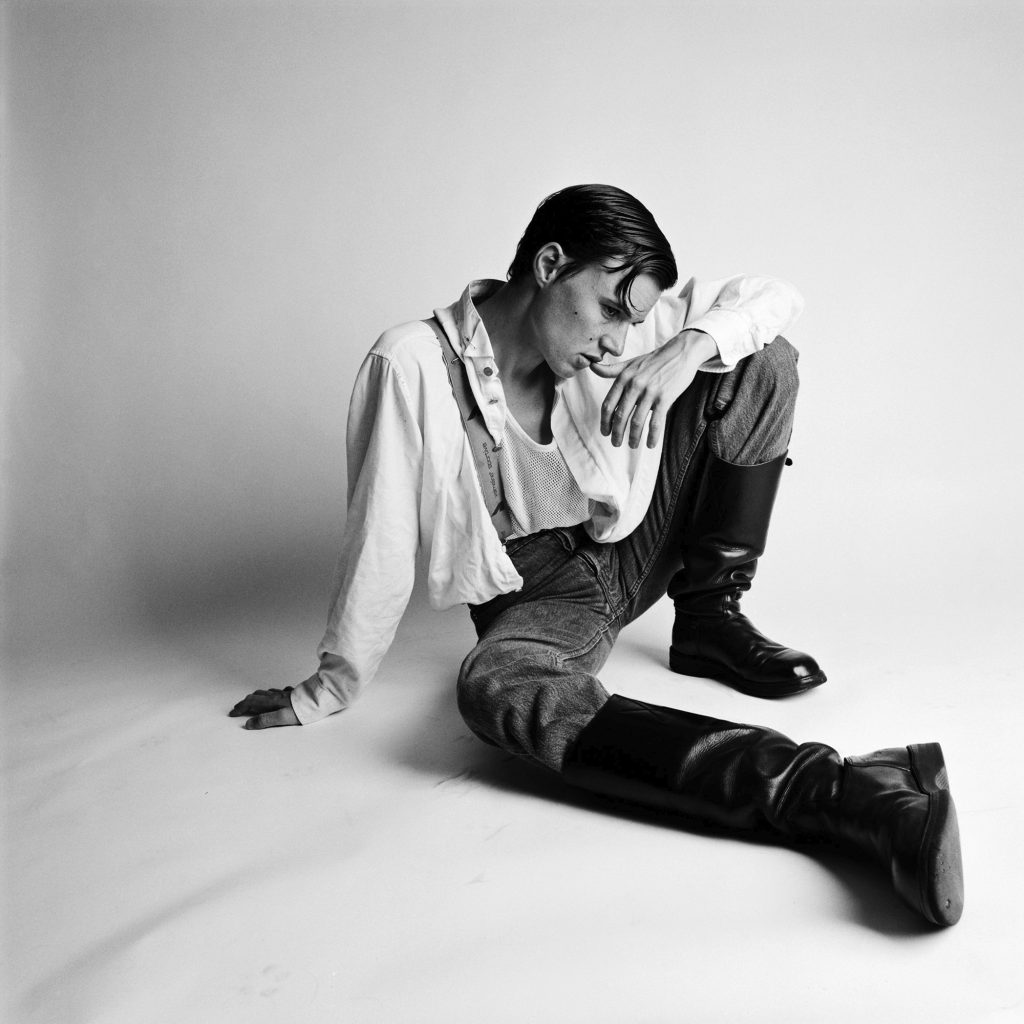
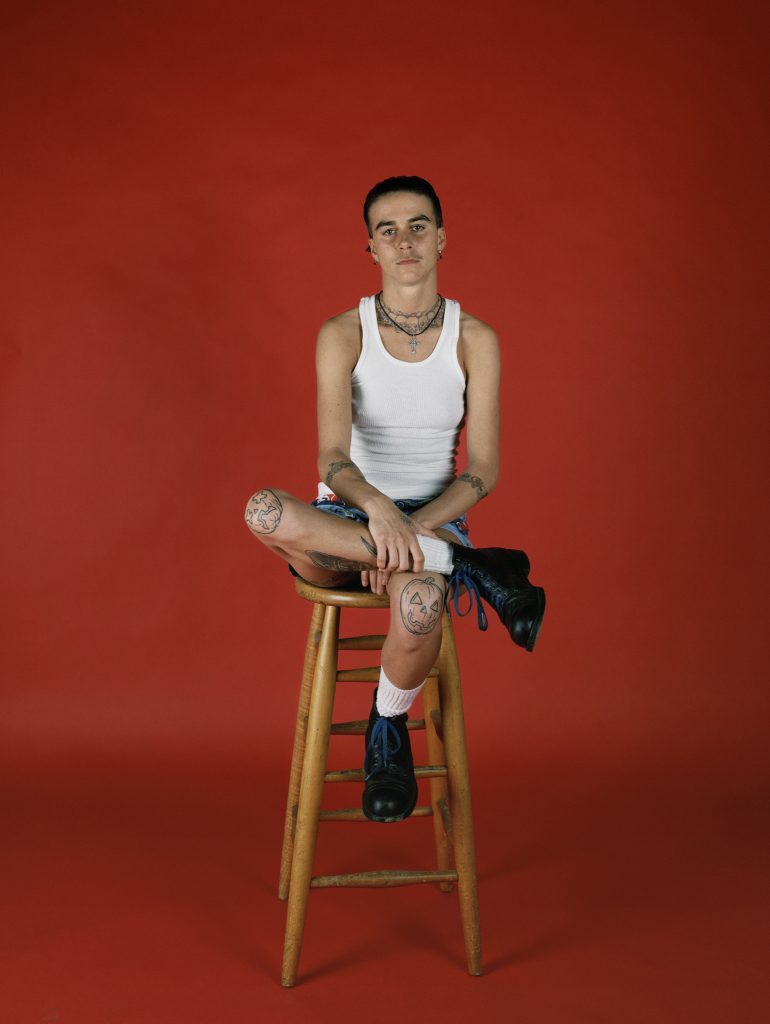
The proliferation of Opie’s portrait work is a testament to its strength, with Elliot Page’s recent biography cover paying direct homage to one of Opie’s most famous portraits, Pig Pen. Opie uses the conventions of commercial studio photography, often dismissed as amateurish, as a way of reframing her subjects. Against Opie’s lurid backdrops, the blunt silhouettes of her subjects remove any pretence.
The resulting photos are celebratory precisely because she contains her whole subject entirely within an unromantic frame. The cliché of audiences being let into a “different” person’s private life, a borderline insulting perspective that’s been around since Diane Arbus, does not exist here. Instead, in Opie’s world, we’re all here for our school photograph – and it will be hung with pride.
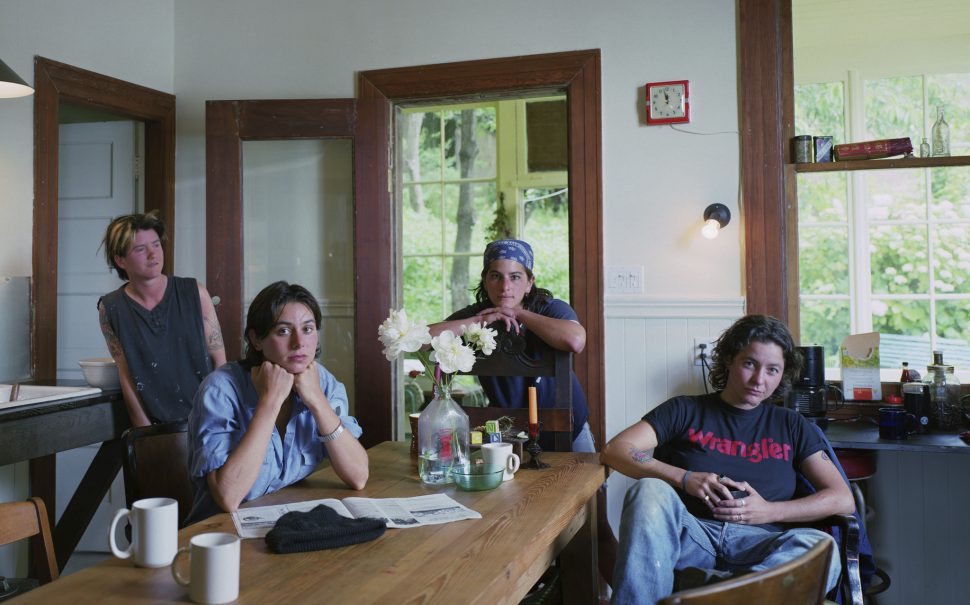
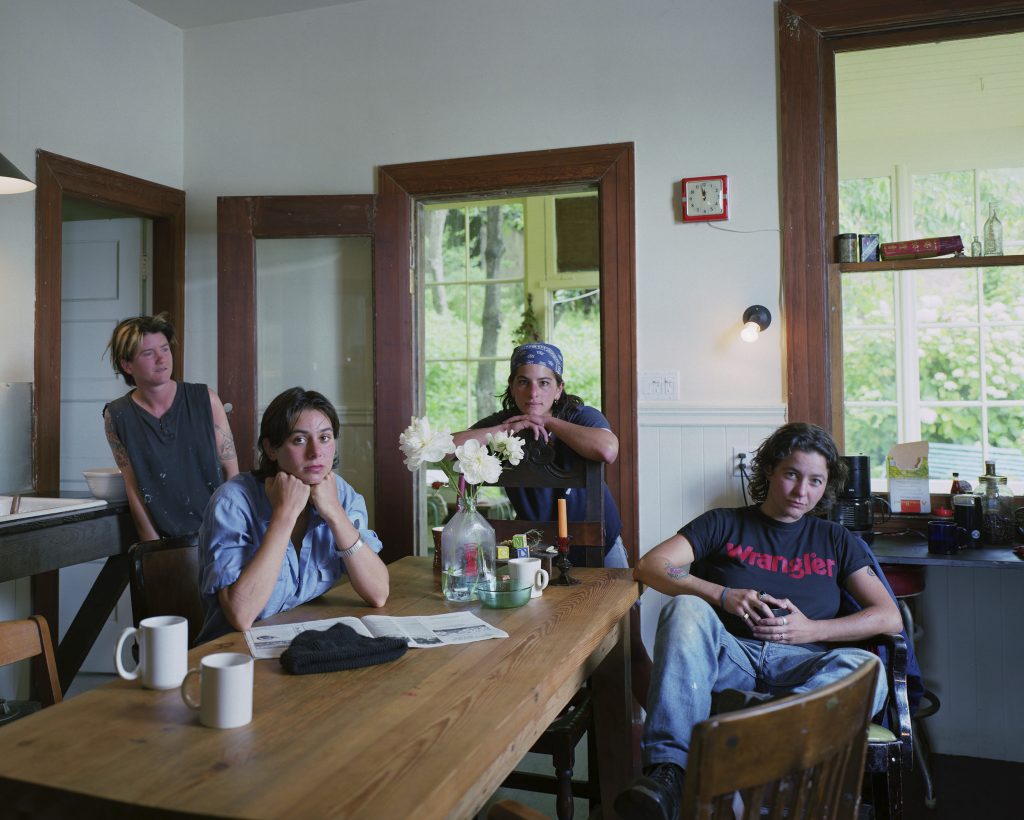
Notably, the exhibition highlights Opie’s work outside portraiture, her more naturalistic photography focused on the body. ‘Pam shaving’ is one photograph that has become a recent personal favourite. It elicits the feeling of the beginning of a relationship when you’re tentatively let into the private parts of a person’s domestic life and bodily rituals. Access to these rituals – first noticing the growth of body hair or dry skin flaking off in the morning – are reminders that the person you love is a living, breathing body. This practice of noticing and acknowledging the body, is a process Opie cares terribly about.
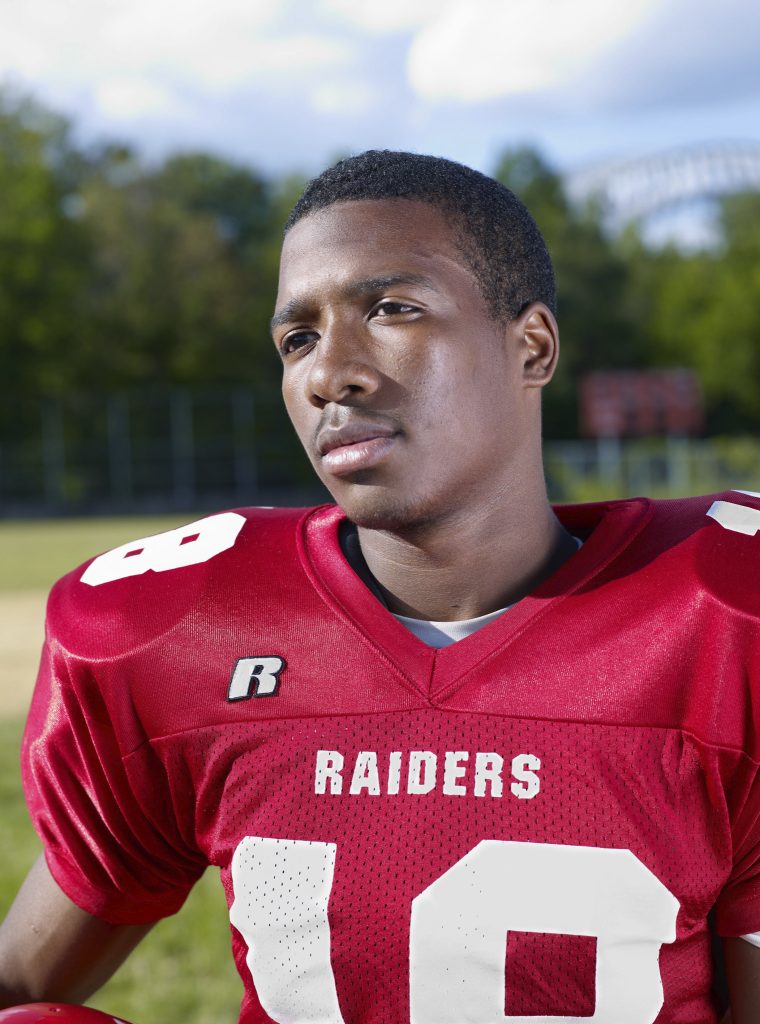
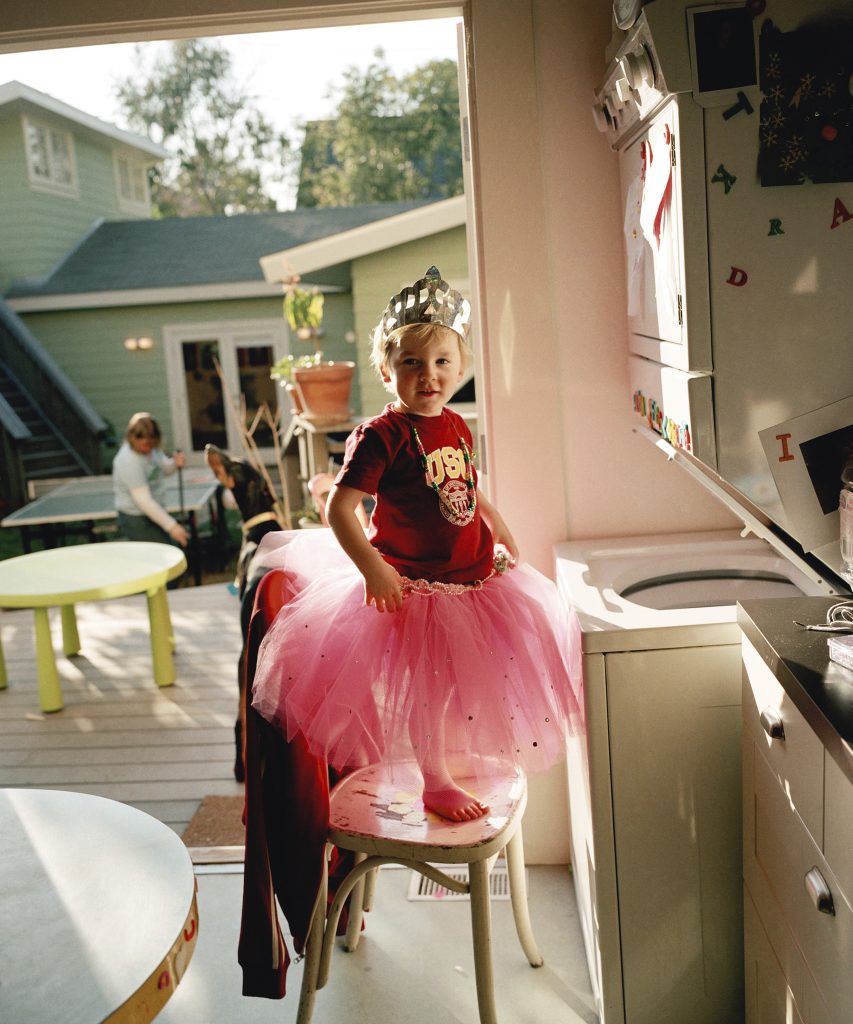
Her less straightforward relationship to men and male bodies also makes a few appearances in this exhibition. There is a more sardonic tone in some of her earlier photos of men, but after the birth of her son she seems to gain this affection for “boyishness” as a quality she photographs. Skater-kids and surfer-boys. High school football quarterbacks with unblemished skin are photographed with a lightness and charm that doesn’t seem to extend to adult men. These portraits are warm and loving in the same way that she photographs her son.
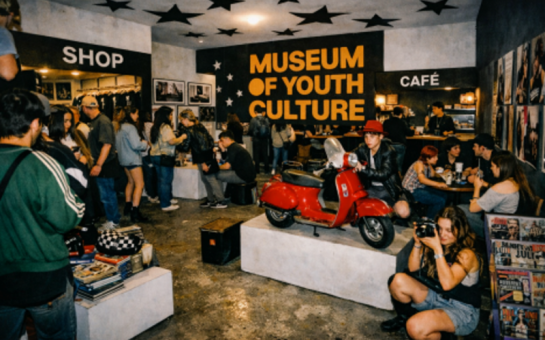
It is odd then, that an exhibition showcasing very precise photographs of the body is presented as if it is simply an addendum to the National Portrait Gallery’s gift shop. The exhibition is awkwardly situated and has to be accessed through the gift-shop that is almost half its size and, crucially, some of the merch on sale risks feeling almost flippant. Being given the opportunity to buy a hat with the word “dyke” on it at the NPG felt bizarre knowing its context. This hat, and its font, references Opie’s portrait which depicts someone with ‘dyke’ tattooed on their neck. The photo’s significance comes from the act of permanently marking yourself with something so confrontational and potentially isolating – what does it actually mean to buy a hat featuring a tattoo you can take on and off?
Outside of this criticism of the gallery space itself, I would wholeheartedly recommend Opie’s work. The exhibition runs until the end of May and the accompanying photo book, Catherine Opie: To Be Seen, is available now.
Image credits: The National Portrait Gallery
Join the discussion